AI Voice Generation in 2026: TTS, Cloning and Voice Conversion
A practical guide to AI voice generation, including text-to-speech, voice cloning, voice conversion, narration, and responsible commercial use.
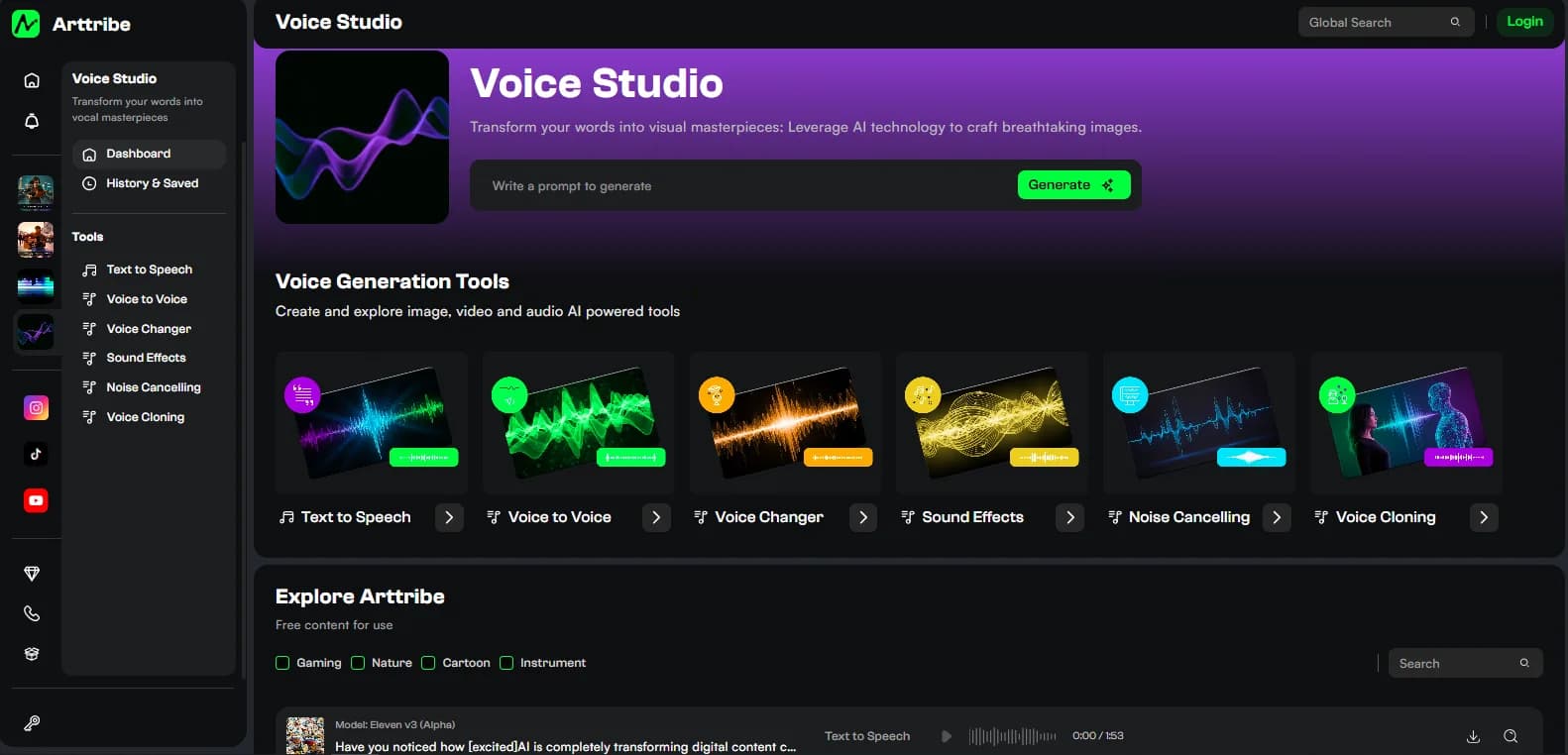
AI voice generation now covers several different workflows. Text-to-speech creates narration from a script, voice cloning reproduces a permitted voice identity, and voice conversion changes the vocal characteristics of an existing performance. These workflows can overlap, but each solves a different production problem.
The quality of AI speech is only one part of a successful voice workflow. Pronunciation, pacing, emotional delivery, consistency, script structure, and permission to use the voice all matter. For commercial production, the best voice is therefore the one that sounds appropriate and can be used responsibly for the intended project.
Choose the AI voice workflow first#
- TTS: narration, explainers, advertisements, tutorials, and accessibility.
- Voice cloning: consistent authorized brand or creator voices.
- Voice conversion: preserve performance while changing vocal characteristics.
- Sound design: generate supporting audio around dialogue and video.
Choosing the workflow first prevents unnecessary complexity. If you only need narration, standard TTS may be sufficient. If a recurring project requires the same authorized voice identity, cloning may be more appropriate. If a real performance already exists and only its vocal characteristics need to change, conversion can preserve more of the original delivery.
Write scripts for AI speech#
Short sentences, natural punctuation, clear numbers, and deliberate pauses usually produce better narration. A script written for reading is not automatically a script written for listening. Spoken language needs rhythm, emphasis, and transitions that are easy for the audience to follow.
Break long sentences into smaller ideas and test difficult names, abbreviations, numbers, and technical terms before final production. Pronunciation notes can also be useful for recurring terminology. A small amount of script preparation can significantly reduce the need to regenerate long sections of narration.
Voice consistency matters#
For a series, keep pronunciation notes, pacing, tone, and terminology consistent. This creates a recognizable voice across episodes instead of making every generation sound like a separate experiment. Consistency becomes especially important when multiple clips are produced over several days or by different members of a team.
Keep approved voice settings and script conventions documented. When the same project returns later, those references can reduce variation and make new episodes easier to produce.
Use AI voice cloning responsibly#
Only clone or transform voices when you have the appropriate permission and rights. For commercial projects, document consent and follow the provider's current voice and impersonation policies. Voice identity can be sensitive, so technical capability should always be paired with clear authorization.
A responsible workflow should make it clear who owns or controls the voice, what use has been authorized, and where the generated voice will appear. This is particularly important when publishing advertisements, public-facing content, or material that could reasonably be interpreted as an authentic statement from another person.
Try this in Arttribe
Open the matching studio and run the workflow from this article.
Explore Voice Studio